
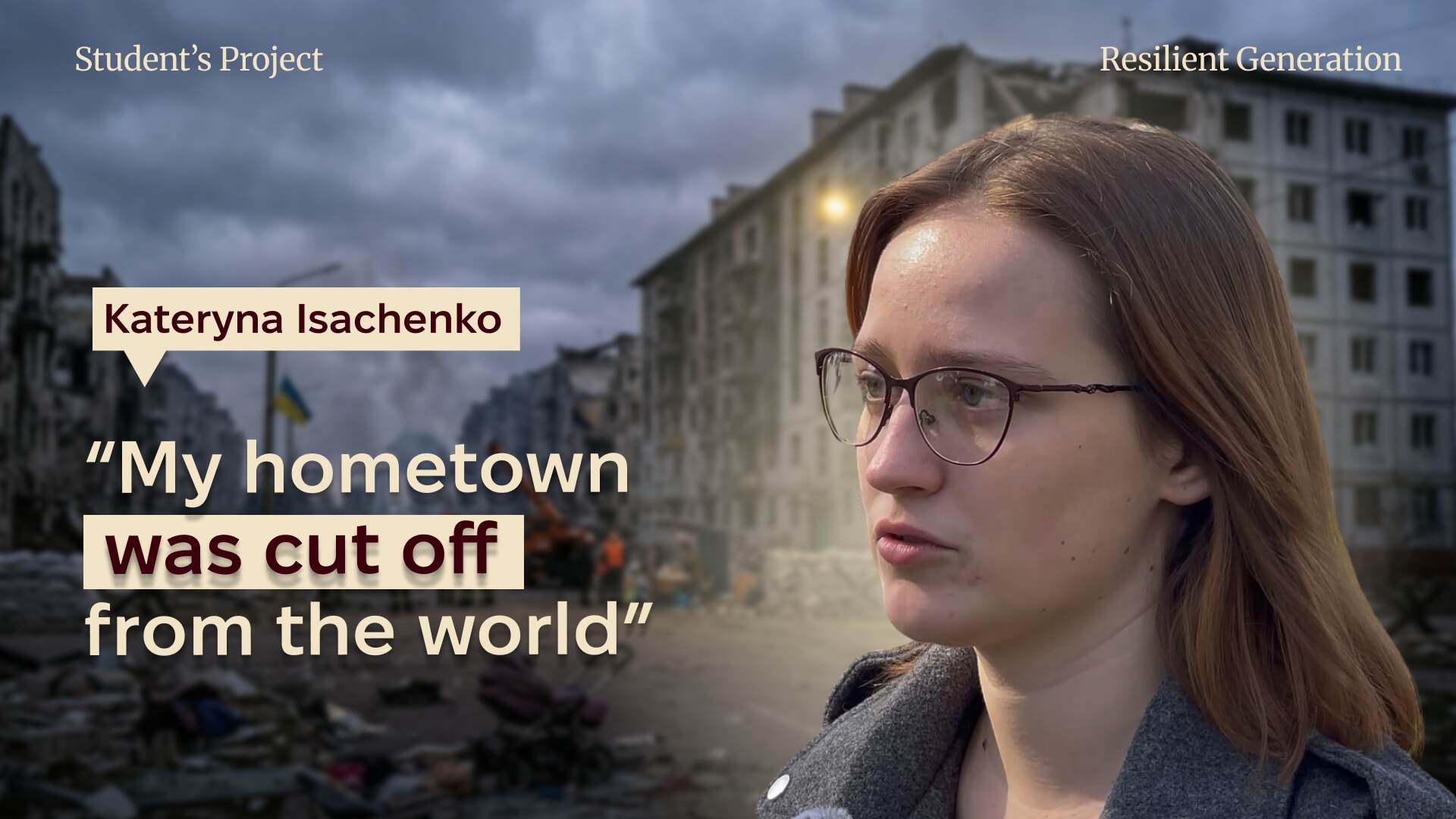
The day childhood was bombed
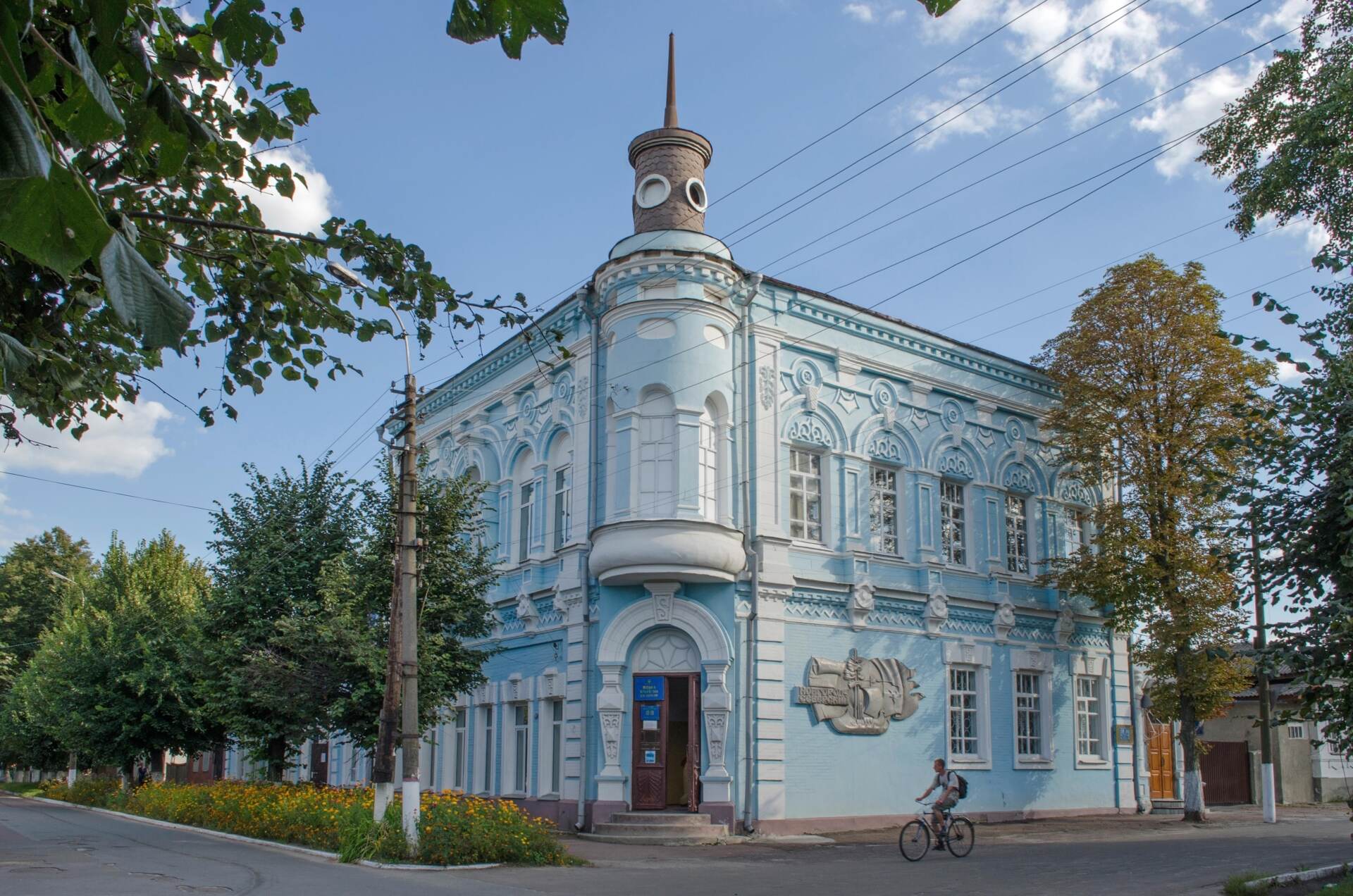
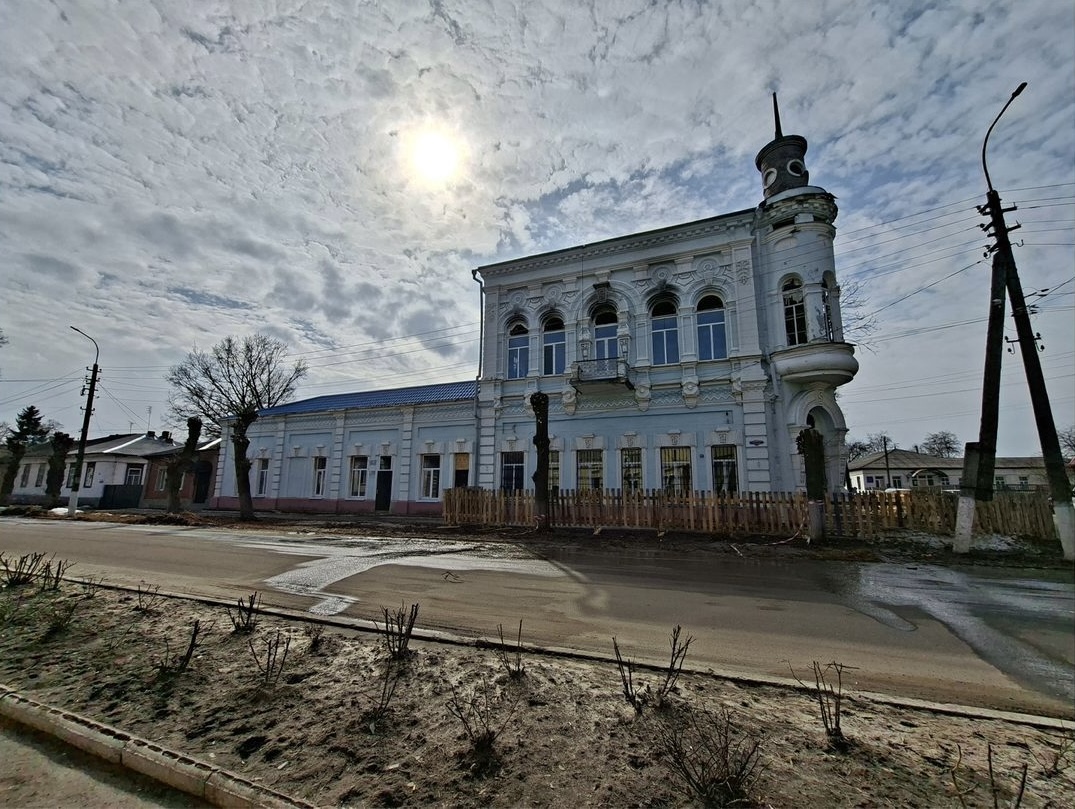
Novgorod-Siversky: an island in a blocked sea
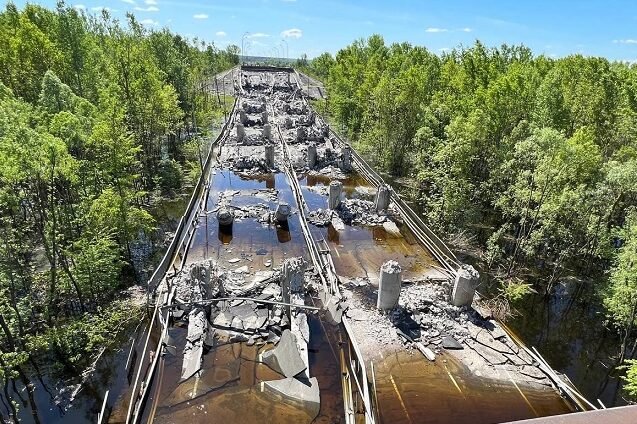
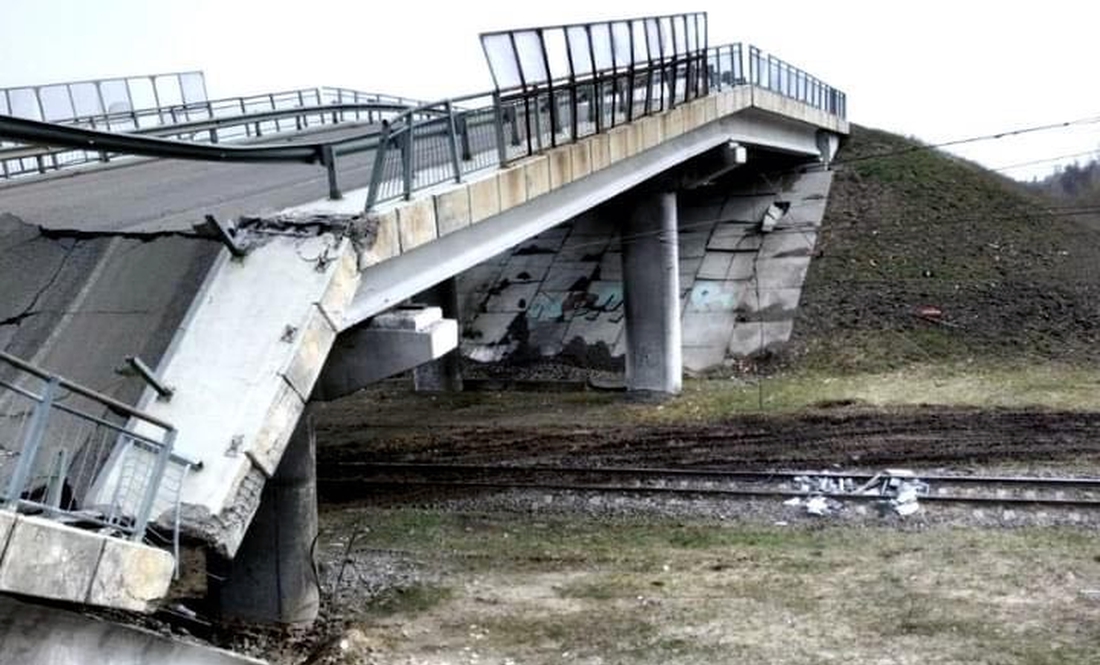
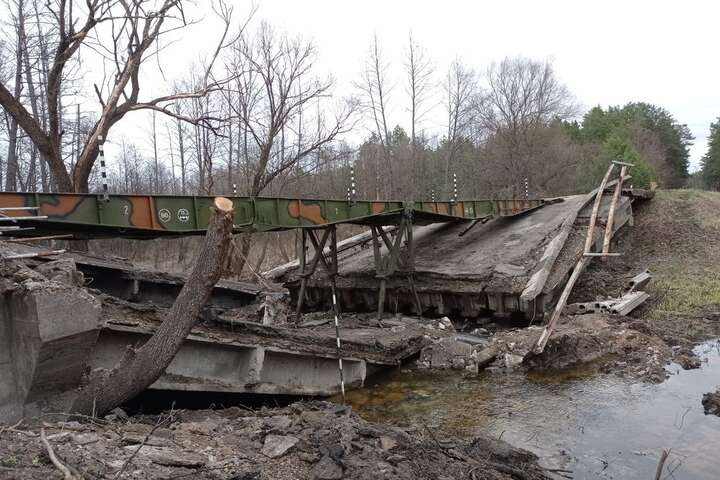
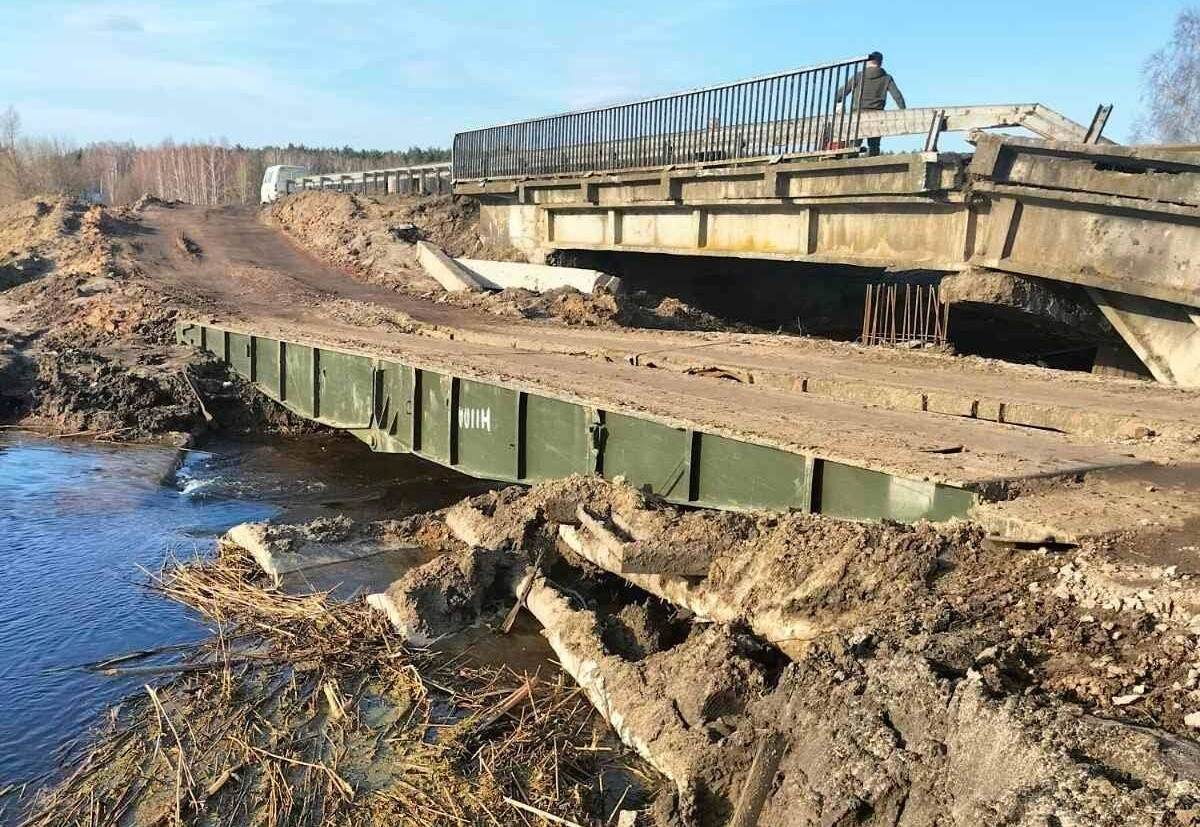
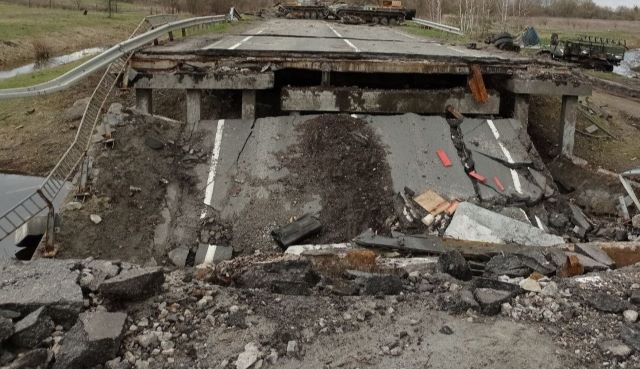
The Russian army passed through the city in transit, hurrying to Sumy region, to Shostka. However, this did not bring relief to Novgorod-Siverskyi - the city found itself in the grip of complete, deaf isolation. Geographically, it is located on a peninsula, and all logistics were supported by two bridges.
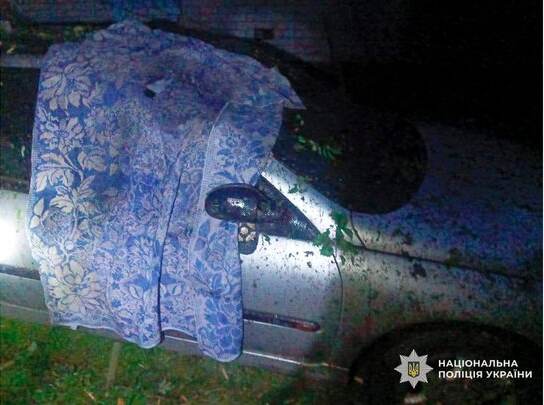
The first bridge across the Desna was blown up by the invaders in the very first hours. The second path - across the Desna and Vit rivers - was flooded due to spring flooding. The city turned into a trap, cut off from medicine, humanitarian aid and evacuation routes. Anyone who tried to escape on their own became a target for enemy machine guns. This tragedy became typical for the Chernihiv region, where civilian cars were shot at close range.
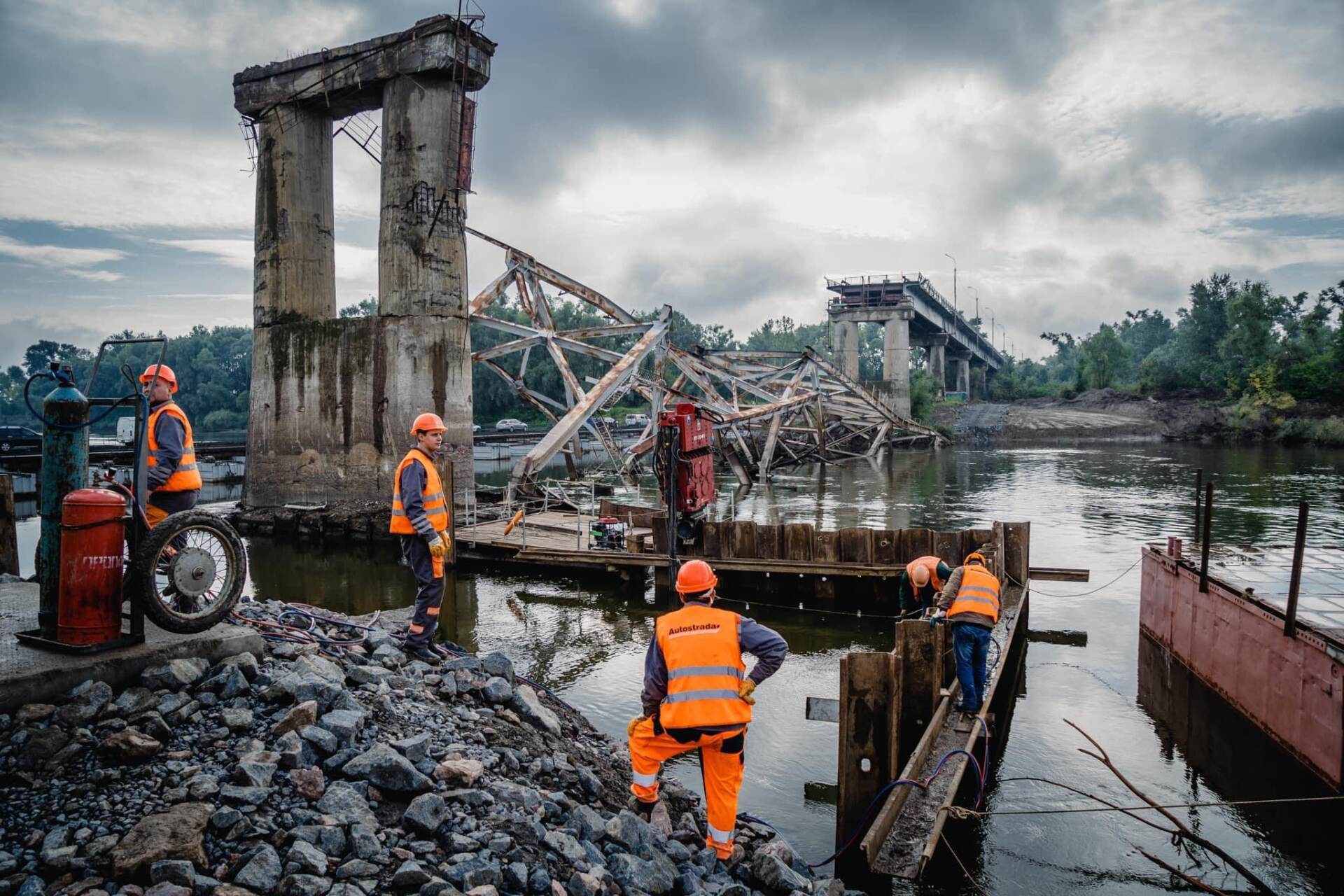
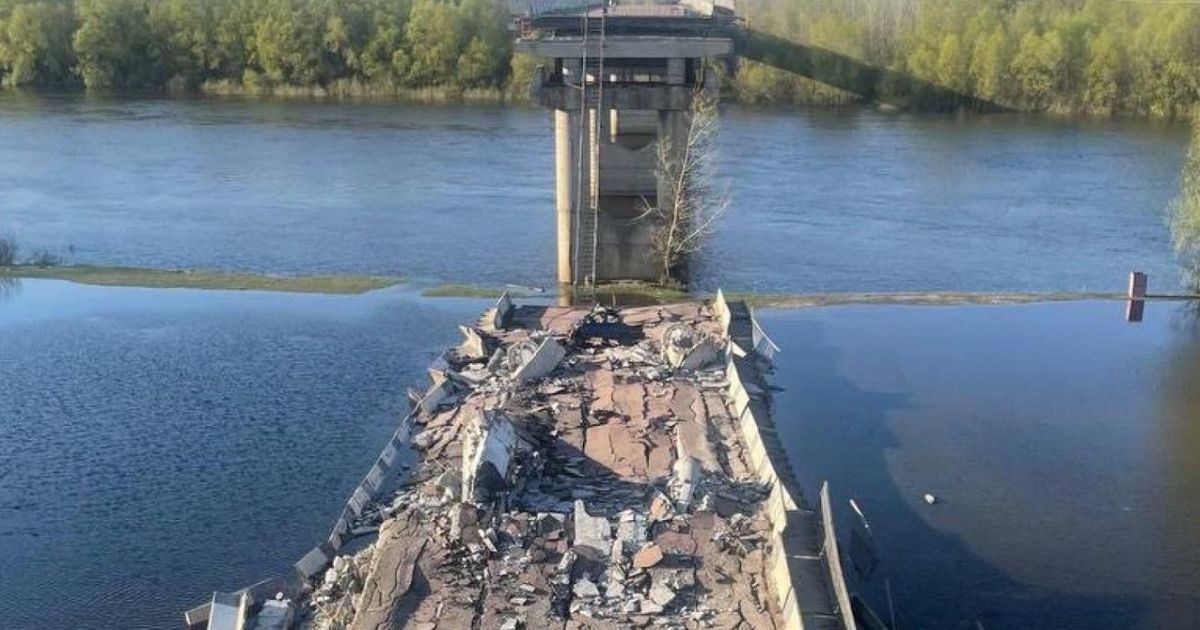
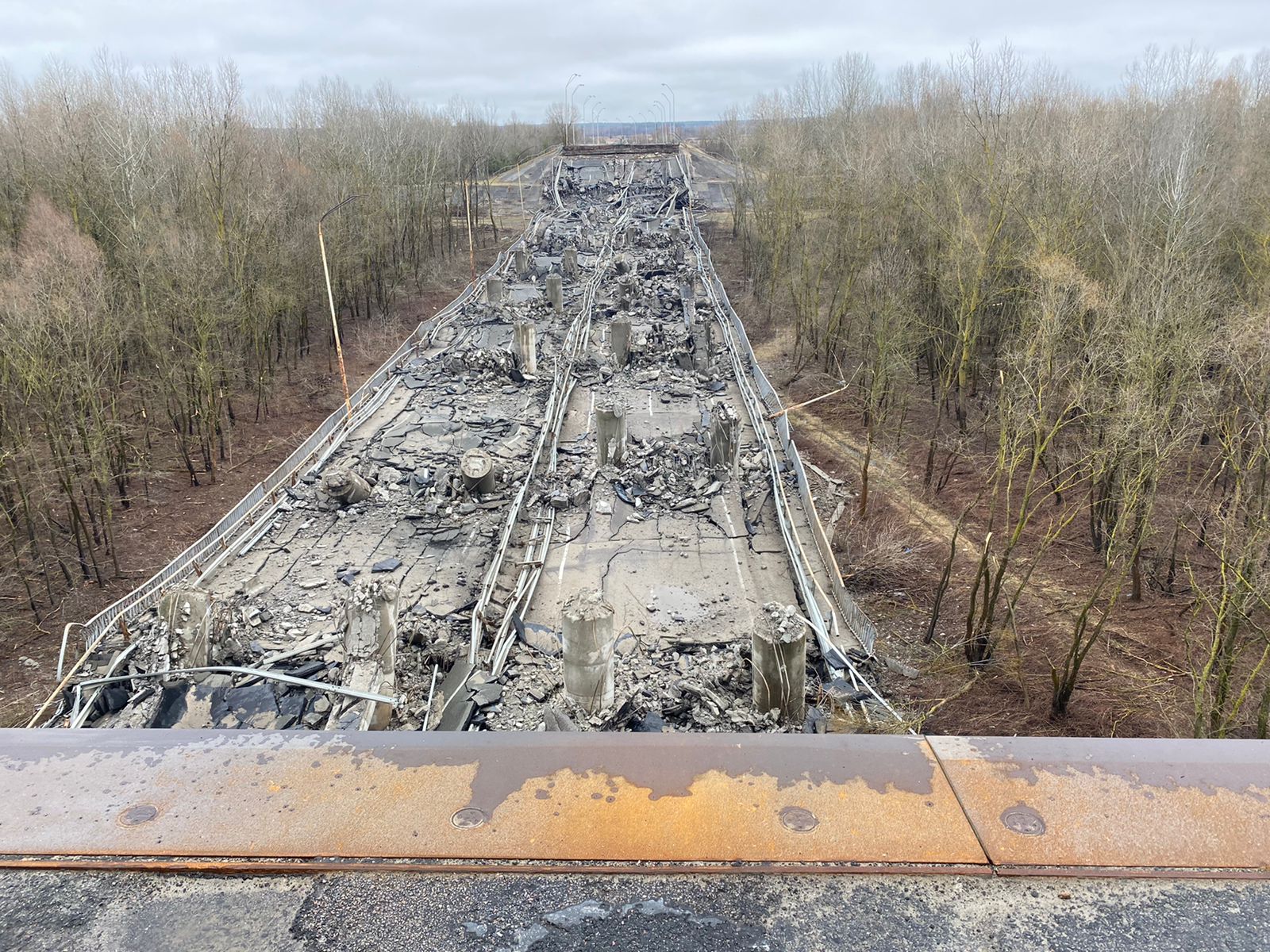
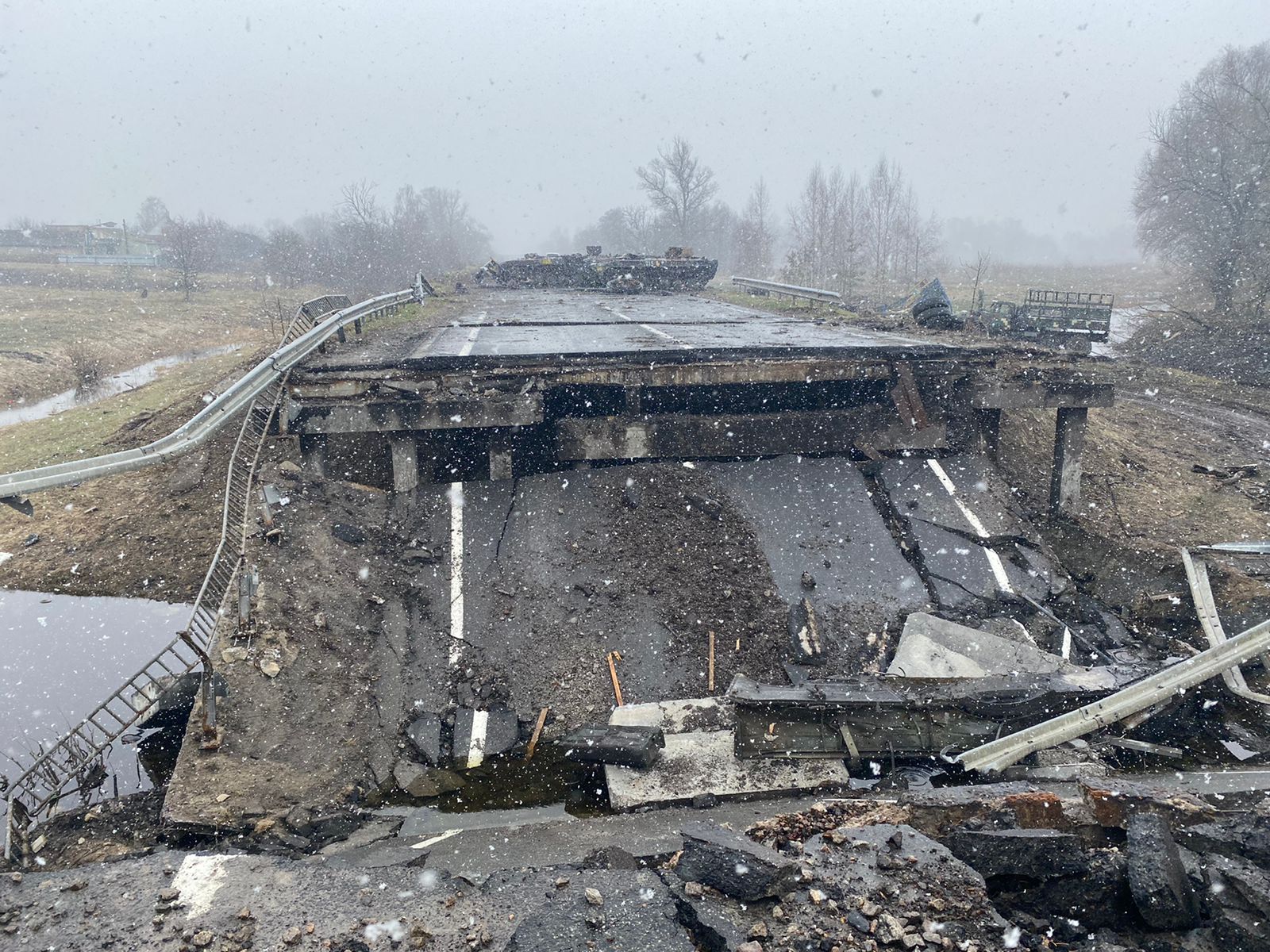
"The Russians organized a real hunt for people. They shot "green corridors" on railways and highways. Our townspeople also died that way. One young guy, a student at the Chernihiv Polytechnic Institute, was simply trying to break through home to his parents in Novgorod-Siversky. He was shot on the road... Ruthless and senseless," says Kateryna.
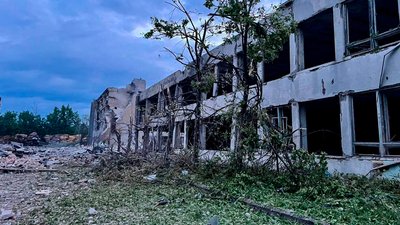
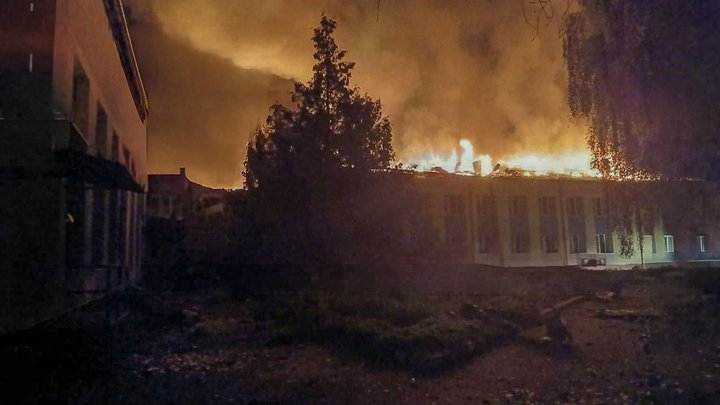
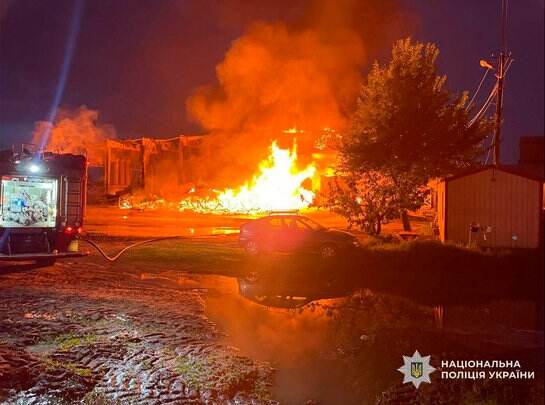
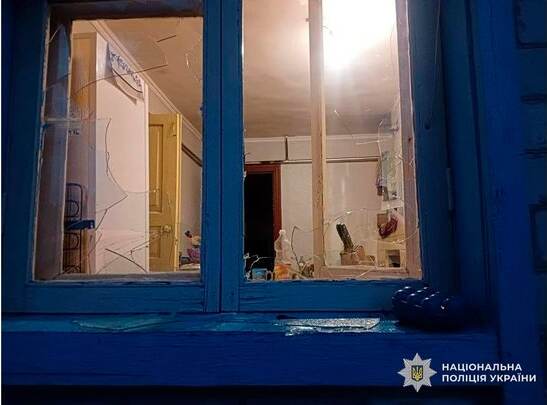
In early April, Chernihiv region was de-occupied. Retreating under pressure from the Armed Forces of Ukraine, the enemy cynically called it a "gesture of goodwill." However, the price of this "gesture" for Kateryna was ruins: the building where she once practiced her favorite knitting, and her native school, were completely bombed by Russian air strikes. Russia left behind scorched earth and mutilated memories of her childhood.
1200 kilometers of internal fault
The war did not stop the girl, but only tempered her character. Preparing for the National Military Technical University in a half-destroyed region, Kateryna firmly knew that she would receive higher education in Ukraine. Fate brought her to the other end of the country - to Uzhhorod National University. At that time, her father was temporarily based in Uzhhorod due to work. She chose the journalism department to get a weapon - a word with which to tell the truth about the crimes of the occupiers. But the move became another painful test.
"Between my past and future lay 1,200 kilometers of distance and a deep chasm between mentalities. The scariest thing was realizing that I was completely alone here. My entire family, my friends, who had experienced the horror of the first days of the war with me, remained there, in the Chernihiv region, under constant threat of shelling, and I found myself in a rear, foreign city."
New weapon: motivation found
Today, Kateryna has turned her pain into professional fuel. After completing her internship at the university, she returned closer to home and will now work in the Chernihiv Public Broadcasting team. Ahead of her is a master's degree and daily journalistic work in a country that continues to fight for its freedom.
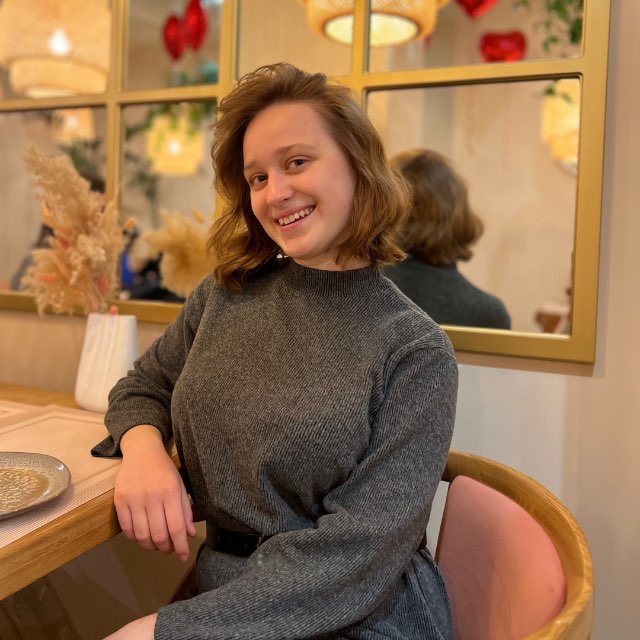
Addressing her peers whose destinies were similarly scorched by the war, Kateryna Isachenko says: “This war takes away our strength, destroys our homes, and makes us suffer. But it should not take away our dreams. Everything I have experienced — isolation, fear for my family, the destruction of my school, and loneliness 1,200 kilometers from home — has made me who I am now. Look for motivation even when there is complete darkness around. Move forward despite everything. Even when it seems that there is no strength — dig in, look for it within yourself, become the voice of this war, and never give up. Everything is in our hands.”