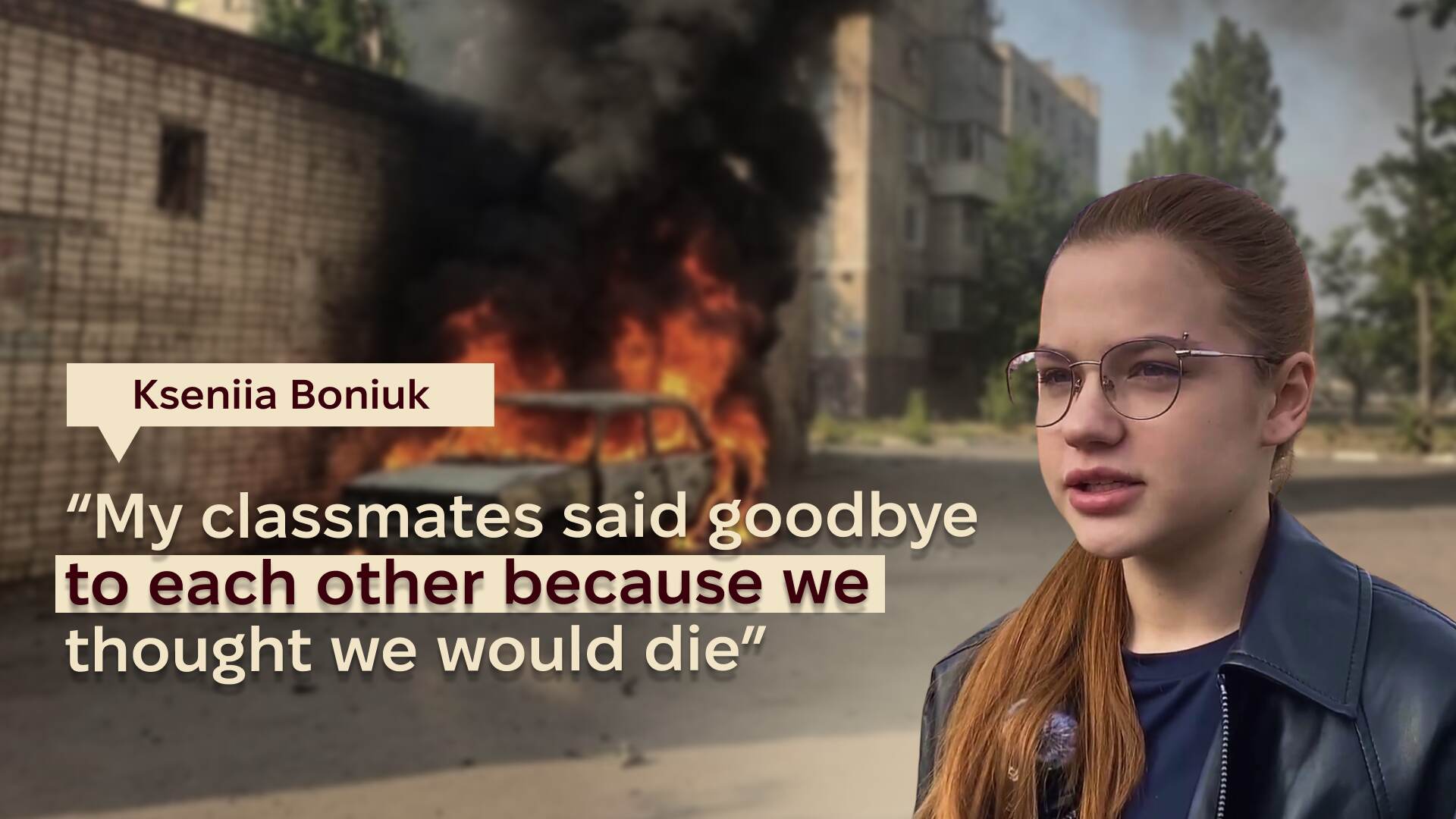
Ksenia Bonyuk was born and raised in the village of Skhidne in the Kherson region. Until February 24, her life was calm and measured. However, the Great War brought enemy tanks, occupation, and artillery shelling to her native village. Her story is a painful experience of separation from her loved ones, life under gunfire, and unwavering faith in returning home.
A quiet morning shattered by explosions
The morning of the full-scale invasion began unusually quietly for Ksenia, but with a heavy burden on her heart. The girl could not understand what was happening until she heard the loud sound of the television from the next room. Her parents were watching the news: war had begun, martial law had been declared.
Since her parents had to go to work, her mother ordered Ksenia to immediately pack her things and go to her grandmother’s. The moment the girl heard the word “pack” the first explosions were heard outside the window.
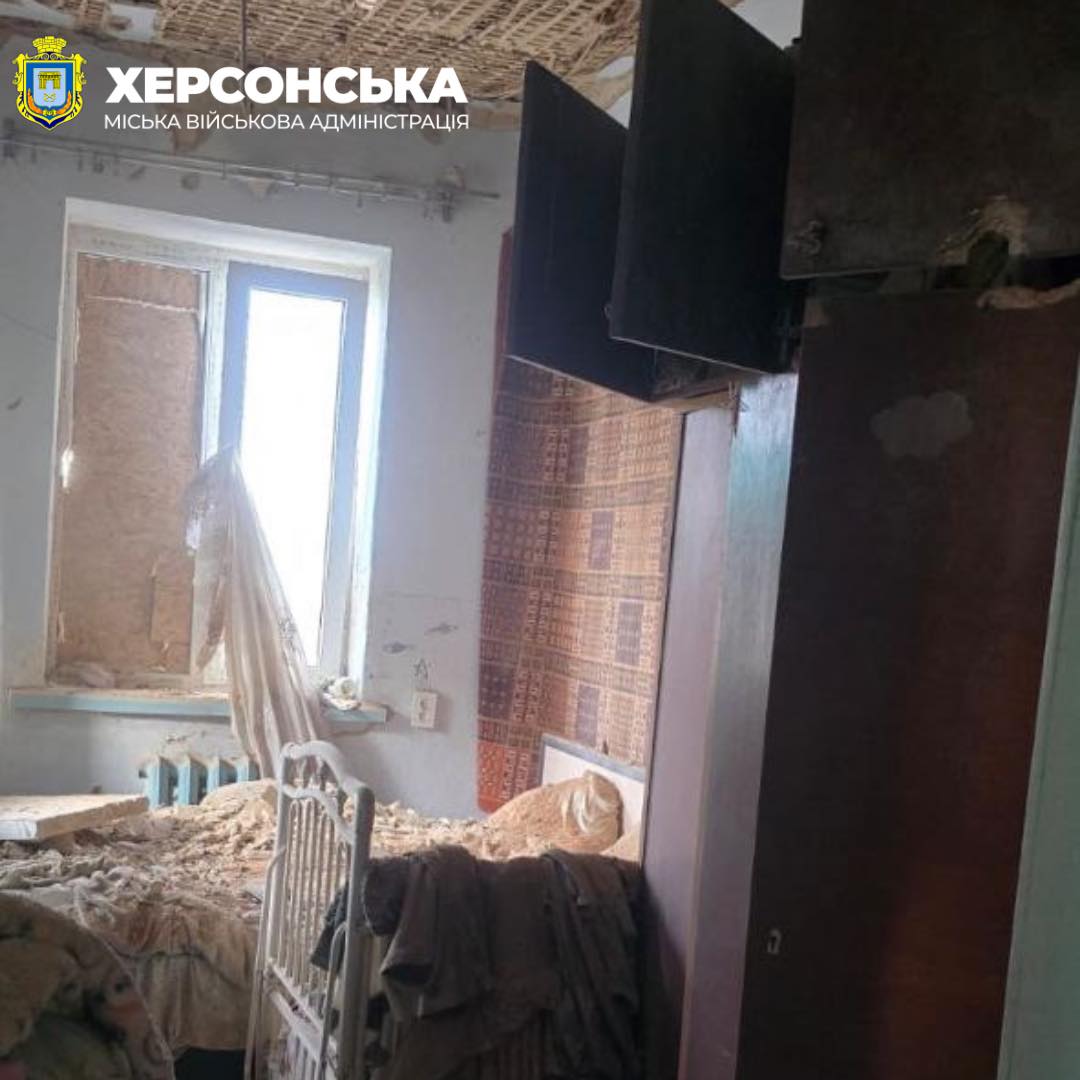
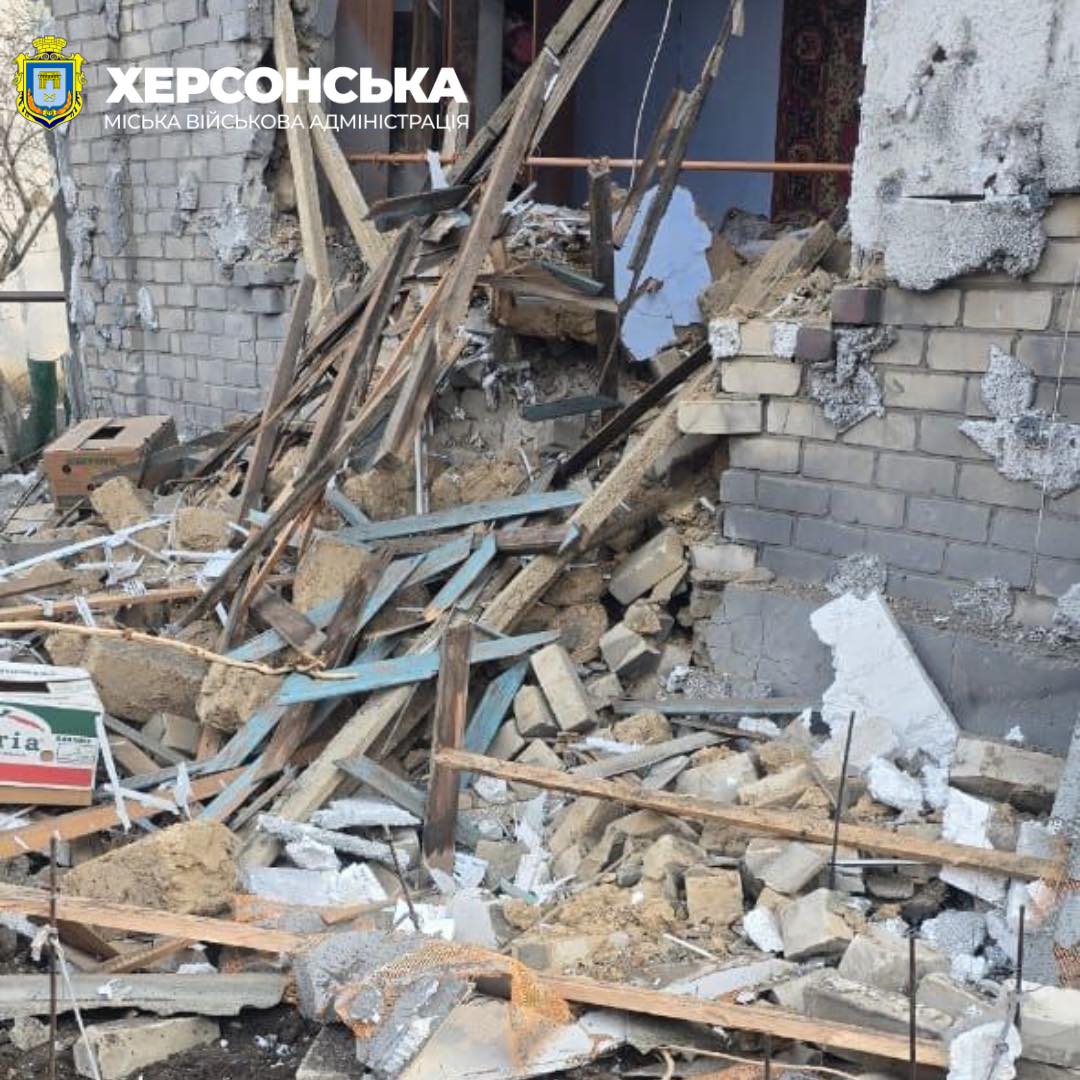
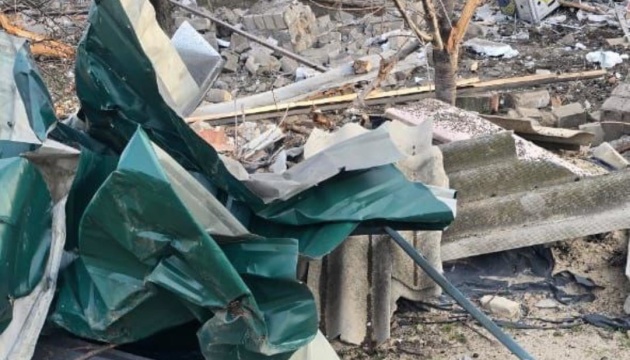
| The aftermath of the Russian attack on the village of Skhidne on March 10, 2025. Photo: Kherson City Military Administration
"It was very difficult for me. I never imagined that I would encounter someone like that in my life," the girl admits.
Together with her cousin, Ksenia went to a family friend's house, where there was a basement. There they lived for the first few days, hiding from the unknown.
Tanks under the windows and life on a powder keg
The occupation took place in a flash. Already from February 24 to 25, photos appeared on the Internet: Russian soldiers entered the village and replaced the Ukrainian flag with an enemy one.
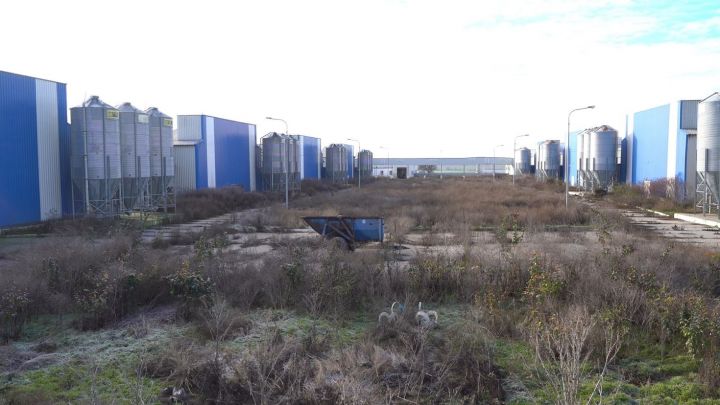
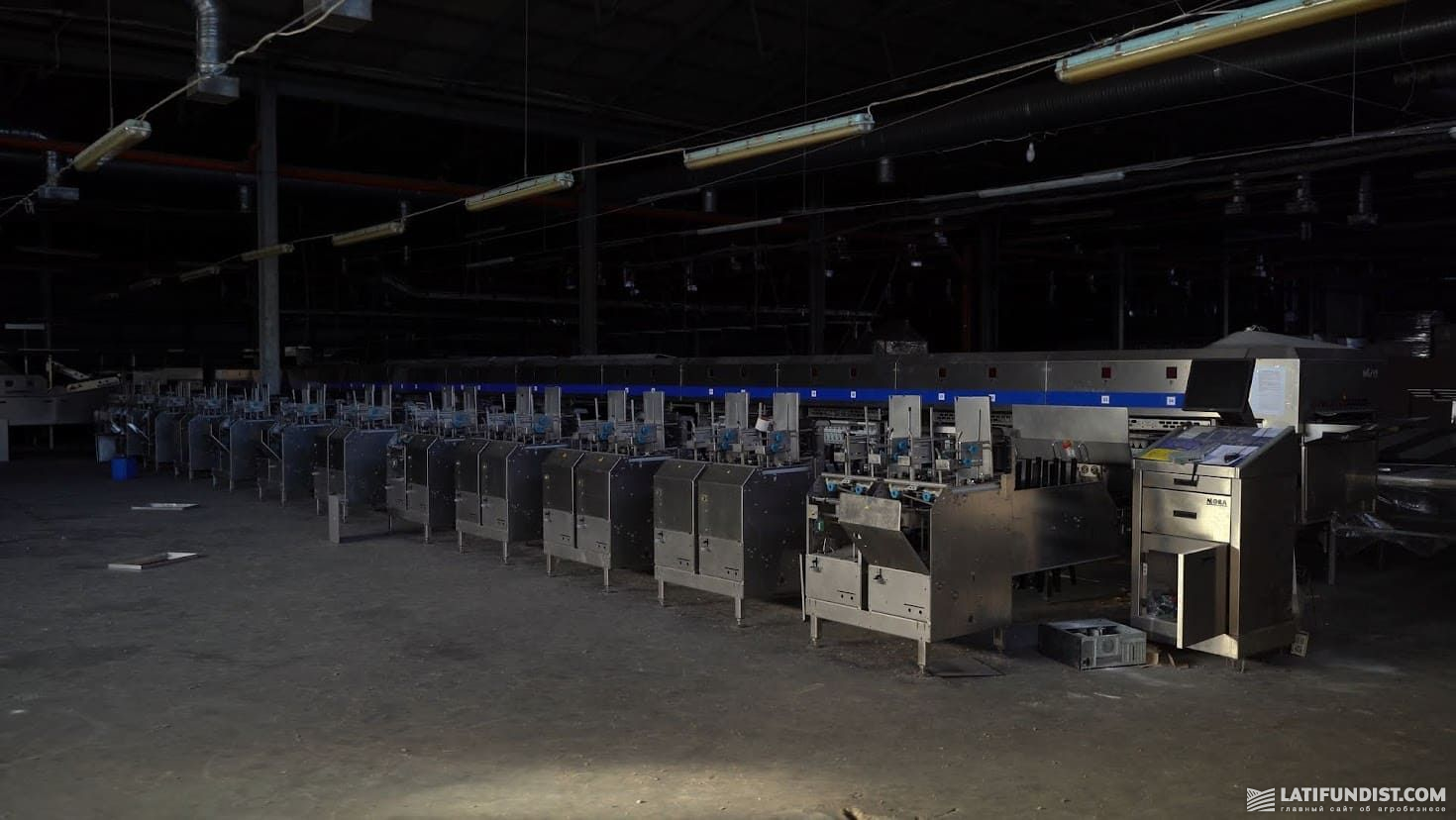
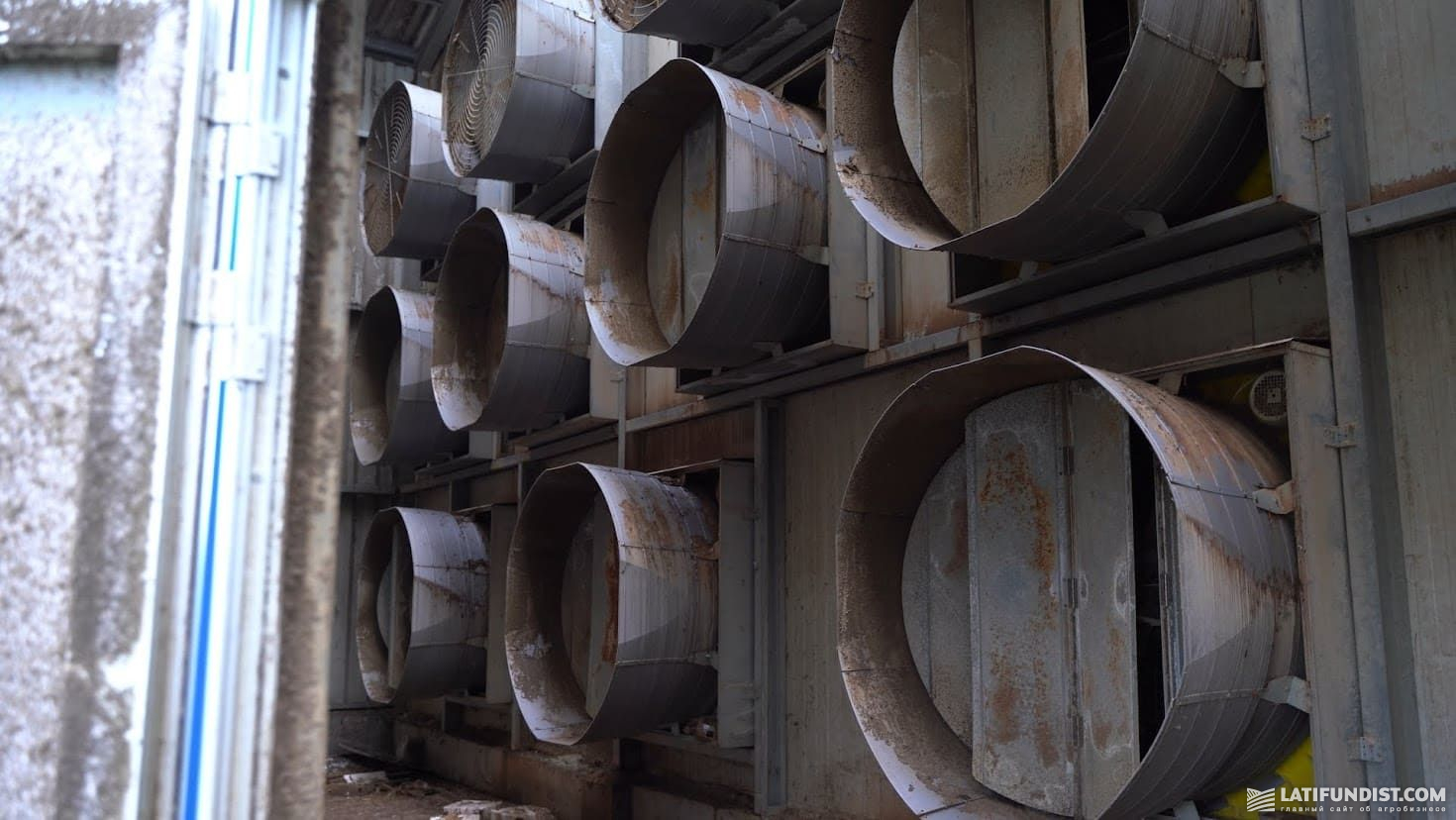
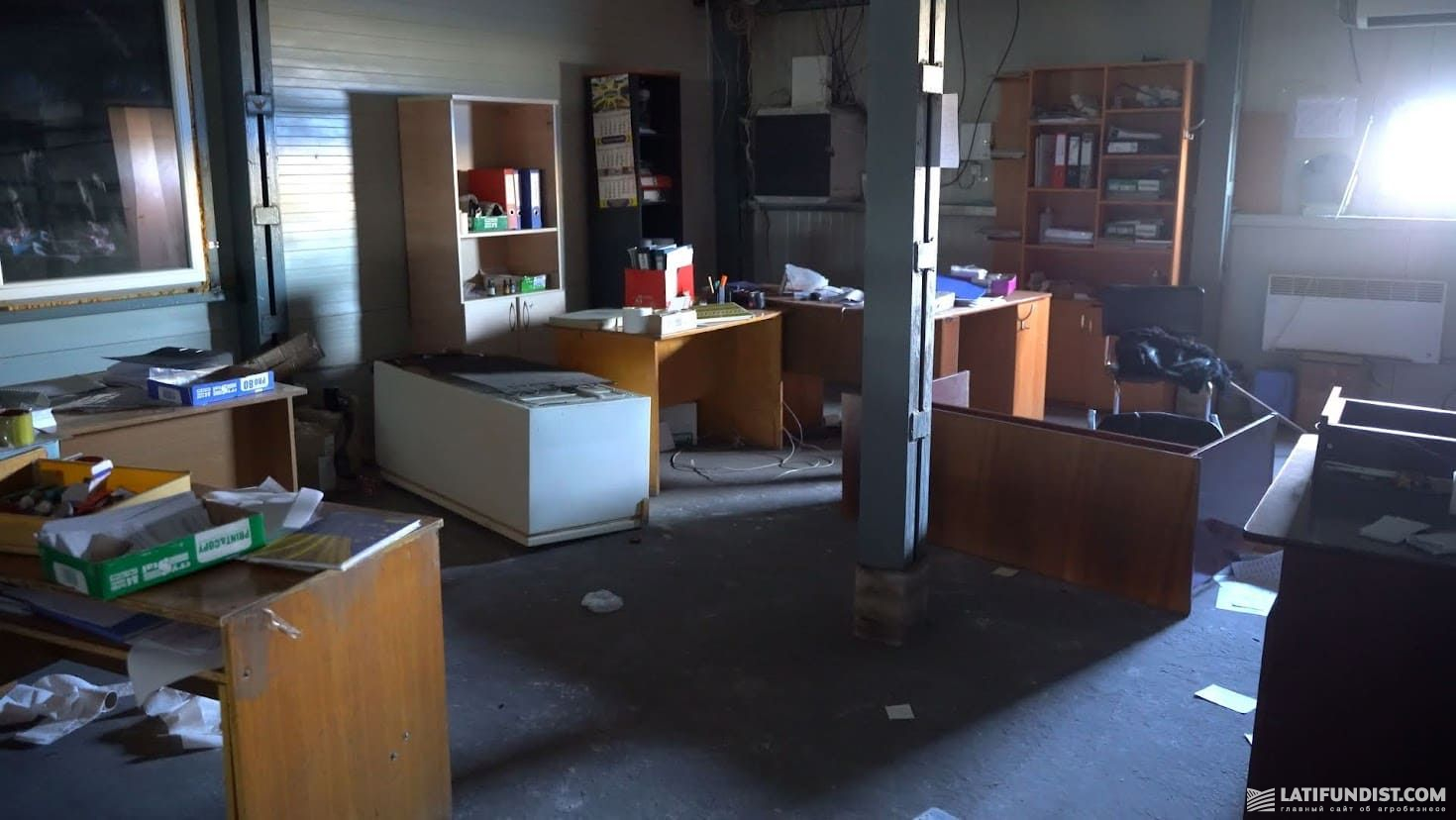
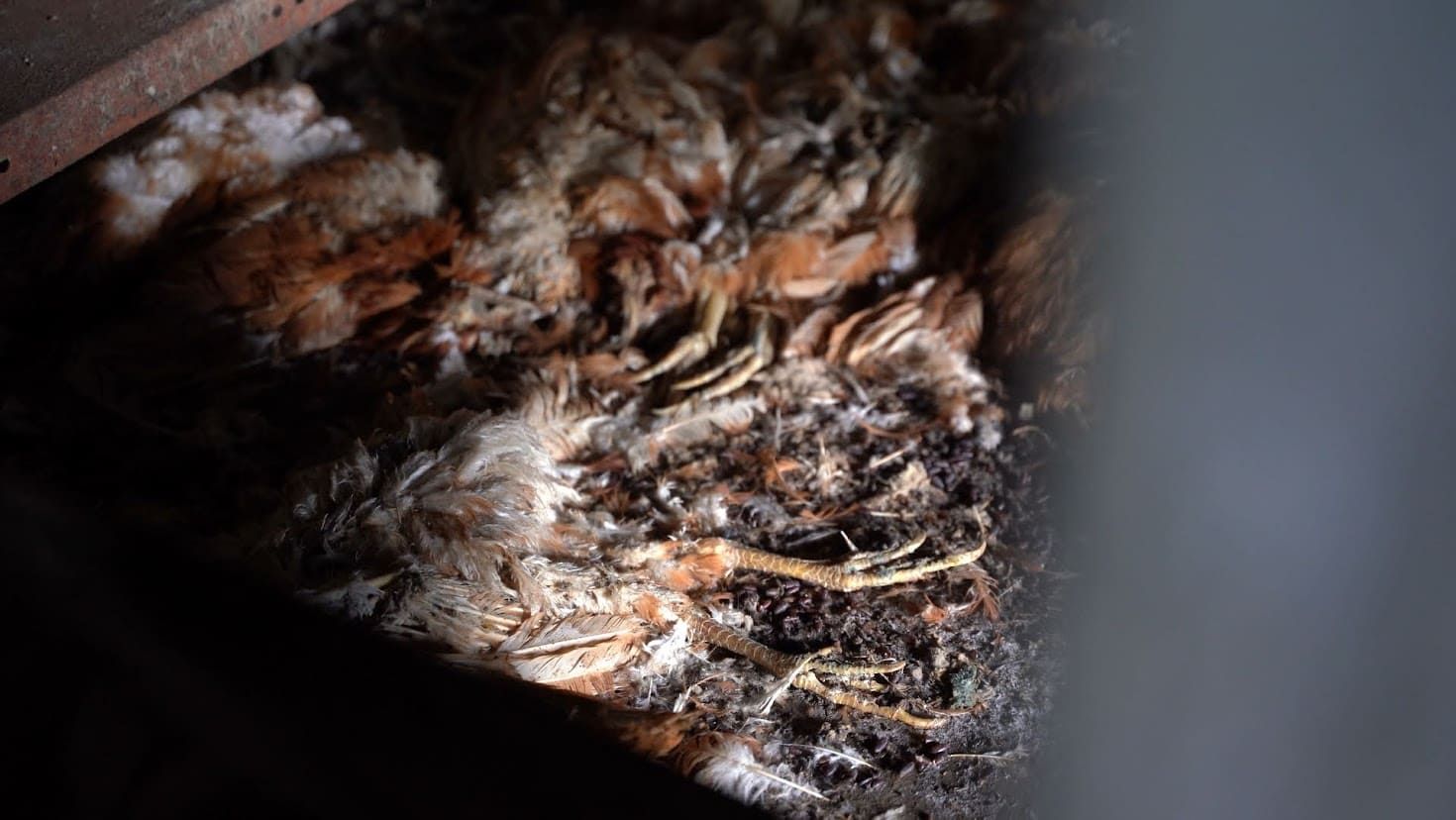
The aggressors immediately filled the streets. Outside her windows, Ksenia saw Russian military equipment. The occupiers occupied the local poultry farm, turning it into their base.
| Chornobayevsk poultry farm near the village of Skhidnoye after the Russian military stayed there. Photo: LATIFUNDIST.COM
A period began when people were leaving Vostok in large columns every day. Ksenia and her family also decided to leave.
The most terrifying memory of the occupation is the first artillery shelling. That night, Ksenia was at home with her father and her friend. They were sitting in the dark by candlelight when suddenly the sky outside the window turned bright red and there was a deafening explosion.
“We fell to the floor in this tangle of intertwined bodies. We just hugged and sat on the floor behind the bed for an hour. I was chatting on Viber with my classmates, and we were literally saying goodbye to each other because we thought we wouldn’t survive.”
Only in the morning did they learn that a shell had hit a neighboring house, where a family with small children lived. The people were saved only by a lucky chance, but their home was beyond repair.
Returning home and new challenges
Leaving was unbearably painful. Ksenia had to leave her native walls, her best friend, who had stayed in the village throughout the occupation, and most importantly, her father. However, the separation was not eternal. As soon as the Kherson region and her native Skhidne were deoccupied, the family began to look for ways home. Due to the lack of their own car, they had to wait for fellow travelers, and on December 28, on New Year's Eve, Ksenia finally hugged her father.
It would seem that the worst is behind us. The girl quickly got used to the sounds of distant explosions. But one spring night, the “shaheeds” arrived.
“I always hated the sound of the ‘shaheeds,’ but they always flew by. But that didn’t happen here… It was late at night. I was seized by great anxiety. I just watched the fire flare up outside my window.”

This incident left its mark on Ksenia, who has developed problems with her well-being and anxiety. However, despite all the trials, she knows exactly what helps her to endure the darkest times. Her advice to anyone going through such grief is simple, but vital:
“Stay as close to your family as possible. Because they have all the support to get through these difficult moments.”